Color plays a major role in defining a home’s personality, curb appeal and overall aesthetic. As designers and homeowners gain access to more options beyond standard white PVC systems, color has become an increasingly important factor in window and door selection.
PVC has become the dominant material choice in the residential window market, reflecting its widespread adoption across new construction, replacement and multifamily applications. Historically, PVC window and door systems were more commonly offered in white and lighter tones because darker colors introduced greater heat and UV performance demands. While materials such as wood, fiberglass and aluminum have generally not faced the same historical color constraints, advances in material science, formulation, lamination and color technologies have expanded PVC’s ability to support a broader range of colors, including darker shades. This progress has helped manufacturers respond to growing demand for more contemporary window and door aesthetics, while also raising expectations for long-term performance.
Even with that progress, adoption of dark-colored windows and doors continues to evolve unevenly across the country, shaped by regional design preferences, climate considerations and local architectural styles.
Shifting Away from a Classic
White PVC windows have historically served as a popular, timeless choice, but black and other darker tones began gaining mainstream momentum in the 2010s as part of the increased popularity of farmhouse-style homes.
Anthracite gray was one shade that drew considerable interest as a potential “next big neutral,” but it did not gain the broad residential traction some expected.
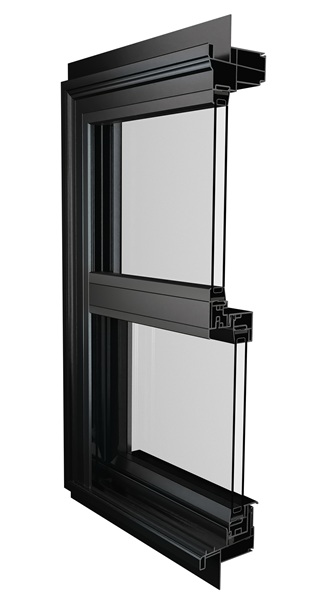
Today, black windows continue to attract the most attention. Black’s versatility across architectural styles and its cohesion with a variety of exterior palettes has made it a leading choice for residential and multifamily applications.
The Dark Side
While black and other dark PVC window and door colors continue to gain traction, they have historically come with performance drawbacks, particularly in hot climates.
Darker finishes absorb more heat, which can contribute to greater heat buildup and thermal movement in PVC window and door systems. Cost is another inhibiting factor for customers, as dark and other specialty colors—including tan, beige and clay—are considered premium options in the market, reflecting the unique formulations and additional material science efforts required to ensure long-term performance and stability. Between performance requirements and added finishing costs, the appeal of black is balanced by real-world constraints that continue to shape where and how it is used.
Even though dark tones absorb more heat, not all dark color systems perform equally. High-end paints and coatings offer long-term durability, while profiles engineered with a black capstock or monolayer PVC products deliver varying levels of performance. Higher-end options can perform well, while others fall short due to pigment loss after years of UV exposure.
Regional Differences: Metallic and Wood Looks
Two other popular fenestration finishes are those that mimic the look of metallics or wood.
Wood laminates are especially popular in the Midwest and Northeast. Because builders and homeowners in these regions are accustomed to real wood windows, wood laminates preserve the traditional, historic aesthetic of older homes in these areas of the country. Today, wood laminates are generally used on the interior side of windows only, giving owners the warm look of authentic wood indoors with a higher performance finish on the exterior.
Metallic finishes have also gained traction in select regions of the country, driven by different architectural preferences and performance priorities. Metallic laminates, and in some cases true metal windows, continue to be specified in urban markets such as New York City and Chicago, where designers often seek a modern, industrial aesthetic.
Historically, metal frames were also widely used in warmer southern climates, where cold-weather thermal performance was less of a concern and non-thermally broken aluminum products were often considered suitable for the environment and application. These systems were available in darker finishes such as bronze and black and remained common in those markets for decades. As expectations for energy efficiency and sustainable construction increased, manufacturers in those regions began looking for darker PVC solutions that could deliver a similar appearance without relying on paint, laminate, or co-extruded capstock. Interest grew in solid, mono-layer dark bronze PVC extrusions because they offered aesthetic advantages while also helping reduce the visibility of damage or discoloration at welded corners.
With PVC window and door systems now available in these solid-color configurations, manufacturers have been able to achieve a metal-inspired look with significantly improved thermal performance due to PVC’s non-conductive properties.
Color in Motion
Color will always play a role in window and door design, but the way it is developed and delivered has continued to evolve as material science, manufacturing, and regional preferences shift.
Performance, cost, climate, and sustainability mandates will forever shape which colors gain traction across the country. Behind the scenes, manufacturers will be working to constantly refine new and existing colors that improve durability, efficiency, and cost effectiveness.
Ongoing advancements in material science and continuous R&D are making it possible for more markets to embrace a broader palette of colors beyond traditional white.
Today, black is leading the charge.