Darker Profiles Are Increasing Late-Stage Development Risk
Black and deep-tone systems expand design options, while tightening requirements for color consistency, thermal behavior, weathering performance, and processing control
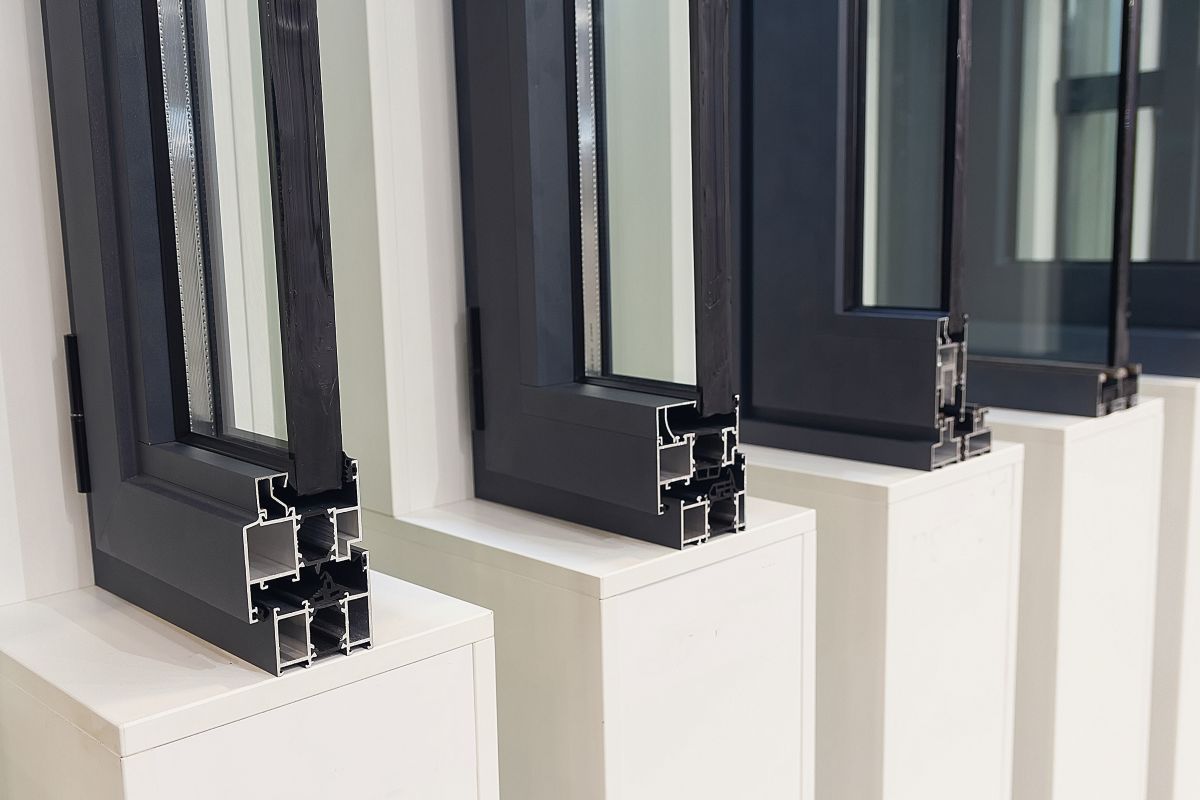
 Demand for darker window profiles continues across residential and commercial construction. Black and deep-tone systems expand design options, while tightening requirements for color consistency, thermal behavior, weathering performance, and processing control.
Window manufacturers know darker systems can be produced. The harder question is whether color approval can move to validated, production-ready profiles without late reformulation.
Darker pigment systems absorb more solar energy, and small differences in dispersion, material selection, extrusion conditions, and layer interaction become more visible. Risk increases when those variables are evaluated separately rather than through an application-specific development process.
A color target gets approved. First samples are close. Then heat buildup, weathering, extrusion behavior, or repeatability brings the program back into review, often after samples are built, extrusion time is booked, testing is underway, and customer timing is already set.
Where Programs Lose Time
When color, formulation, sample production, processing review, and validation move as separate steps, darker profiles can surface late-stage conflicts.
A pigment system selected for appearance can affect solar absorption. A formulation built for durability can affect processing stability. A capstock or substrate choice can change how the profile responds under exterior exposure. Extrusion conditions can reveal variation not visible in early samples.
By that point, teams may have already committed formulation work, testing plans, and launch schedules.
ASTM D4803 remains useful for evaluating heat buildup in PVC building products, while weathering and durability testing support long-term exterior performance decisions.
If testing is the first integrated view, each correction can trigger new samples, extrusion review, retesting, and customer discussion.
Why Custom Development Matters
Darker window systems create competing requirements. The profile has to meet the color target, manage heat buildup, process consistently, maintain dimensional stability, and hold appearance outdoors.
Application-fit development evaluates those tradeoffs earlier. Resin, pigment, additive, capstock or substrate, extrusion, exposure, and validation requirements shape whether an approved sample becomes a repeatable production profile.
A standard color or preset formulation can close the visible request while leaving manufacturing risk unresolved. It may reach the appearance target while increasing solar absorption, improve durability while tightening the processing window, or look stable in early samples without showing scale-up behavior.
Custom development puts those constraints in the same evaluation. Pigment systems can be screened against thermal behavior, formulation decisions weighed against extrusion stability and weathering performance, and material choices matched to profile design, production process, and field exposure conditions.
Testing can then confirm a system engineered around the application instead of revealing conflicts after time and production resources have already been committed.
A More Integrated Path Forward
Darker exterior profiles are increasingly part of window and door product planning. Manufacturers need development built around full-profile performance from the first material decision.
Americhem works with window manufacturers earlier in development to build custom polymer solutions around the color target, resin system, additive strategy, profile design, process conditions, and required performance outcome. Thermal limits, durability requirements, and production realities are evaluated together so the final system is developed with fewer late-stage unknowns.
Americhem brings color masterbatch, functional additive expertise, engineered compounds, and performance testing into one development process, allowing color, formulation, processing, and durability requirements to be evaluated together.
That approach has been applied in ePVC capstock window lineal programs where tailored formulations supported a locked color specification across different extrusion lines, equipment configurations, operators, and manufacturing facilities. The same program also required gloss control, weathering durability, lot-to-lot consistency, and scalability across a unified capstock platform.
For darker window profiles, the real test begins after color approval: whether the profile can process consistently, validate cleanly, and perform under exterior exposure.
Learn more about Americhem’s Building & Construction solutions.