Formerly-incarcerated Could be the Answer to Labor Shortages
The untapped potential of the second-chance workforce for the glass industry
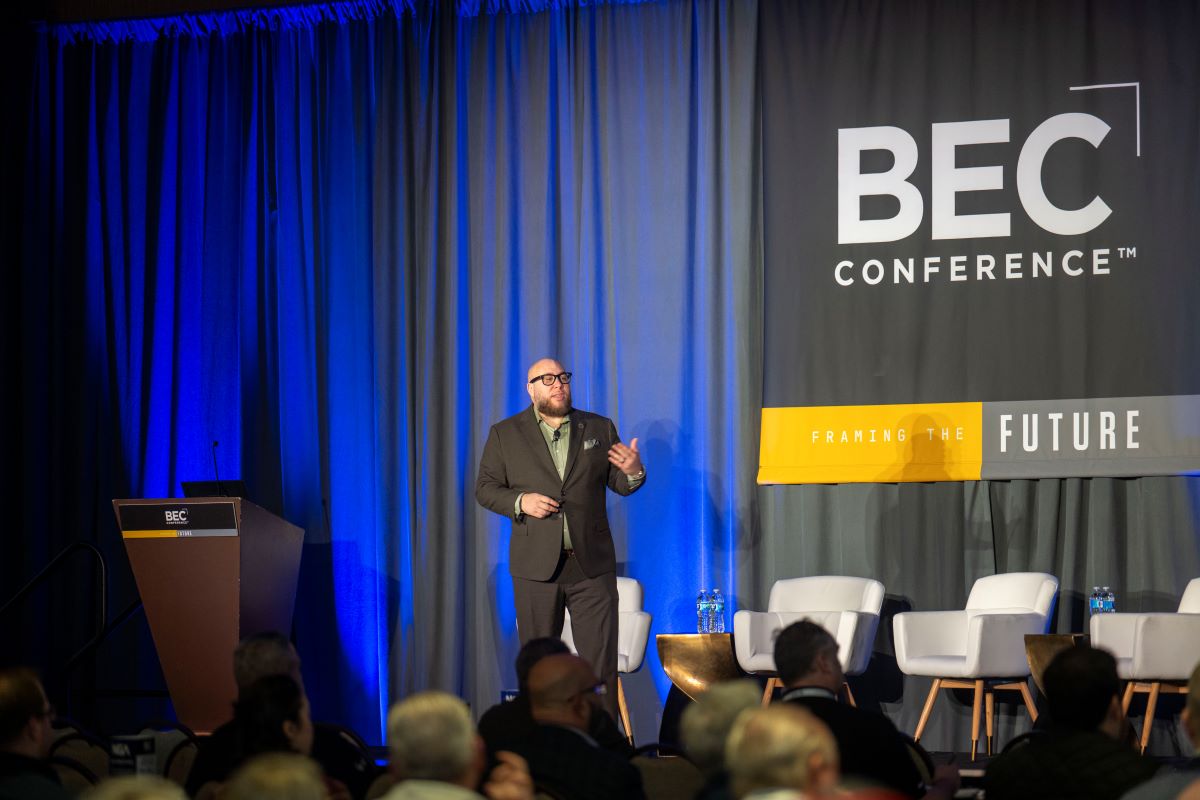
At the National Glass Association’s annual BEC Conference, held March 1-3, 2026, in Louisville, Kentucky, Joshua Johnson spoke to attendees about the benefits of second-chance hiring—meaning the hiring of formerly incarcerated, detained or arrested individuals, who he refers to as “justice-impacted.” Johnson himself was previously incarcerated for ten years and is now the founder of The Redemption Collective, an organization that “helps states, employers and workforce systems to design and implement fair-chance hiring strategies,” and a keynote speaker.
About 600,000 individuals are released from incarceration every year, Johnson says, and just over a quarter of them are unemployed. Despite this, he adds that 85% of human resources professionals report that this demographic “perform their jobs about the same or better than workers without criminal records” because “justice-impacted individuals represent one of the most motivated, loyal and under-utilized talent pipelines in America.”
Johnson’s story
During his presentation, Johnson spoke about his own experience being incarcerated at the age of 17 in 1995. After being released in 2004, Johnson got a job with Walsh Construction thanks to Jay Titus, a leader in the company at the time who decided to give Johnson a chance.
In 2005, Johnson became an apprentice with Laborers’ International Union of North America Local 113 in Milwaukee, Wisconsin, as a construction craft laborer. By 2019, after working his way through the ranks, Johnson had his signature on that same apprenticeship contract for every apprentice in the state of Wisconsin, but this time as the State Director of the Wisconsin Apprenticeship Program.
His story of working his way up throughout the years is one of perseverance and hard work, but also an example of how company leadership can help lift people up by giving people a second chance at employment. Johnson says his career progression post-incarceration would not have been possible without Titus’ help. Unlike Titus, many in leadership see criminal history on the job application and immediately disqualify that person as a potential candidate. There is a movement right now called “Ban the Box” that seeks to remove questions about criminal history from initial job applications.
Johnson says one thing that Titus did not have at that time was a “structured blueprint for engaging justice impacted individuals.” In response to a need for this structured blueprint, Johnson created an “opportunity excellence framework.”
“[This is a] simple framework to help employers really try to engage justice impacted populations and what that looks like,” Johnson said as he quickly walked through the framework, which consisted of leadership at the foundation, as well as employer readiness and skills-based recruitment. “Before organizations can expand access, redesign recruitment or invest in development, they must ensure that their internal structures are aligned to support people effectively. All of this will start at the top.”
Examples of this framework in action include offering flexibility for required obligations like needing to visit with a parole officer, as well as access and transport support, scheduling adjustments, referrals and overall “helping them access those things they need to be successful,” Johnson says.
What the industry can do
As the glass and glazing industry continues to face labor shortages and work towards better recruitment and retention, pursuing individuals who have previously been incarcerated could be an untapped demographic of hard workers.
Building partnerships to find new labor from this talent pool is key, Johnson says, and advised glass industry owners and leaders to build strong partnerships with workforce development boards, local community groups and faith-based organizations in order to find justice-impacted individuals to join their workforce. “You don’t need to build a talent pipeline from scratch,” he says. After establishing partnerships, he also recommended that leaders invite members from those organizations to visit their facilities and get to know their business, so that they can better understand what kind of workforce is needed for glazing contractors.
Johnson shared that preconceptions about formerly incarcerated employees can negatively affect retention, especially if employees are not offered competitive wages and the opportunity to grow within the company. “People think of justice-impacted talent as only able to come in and build the widget, not run the line,” he says, a mindset that doesn’t appreciate their full potential.