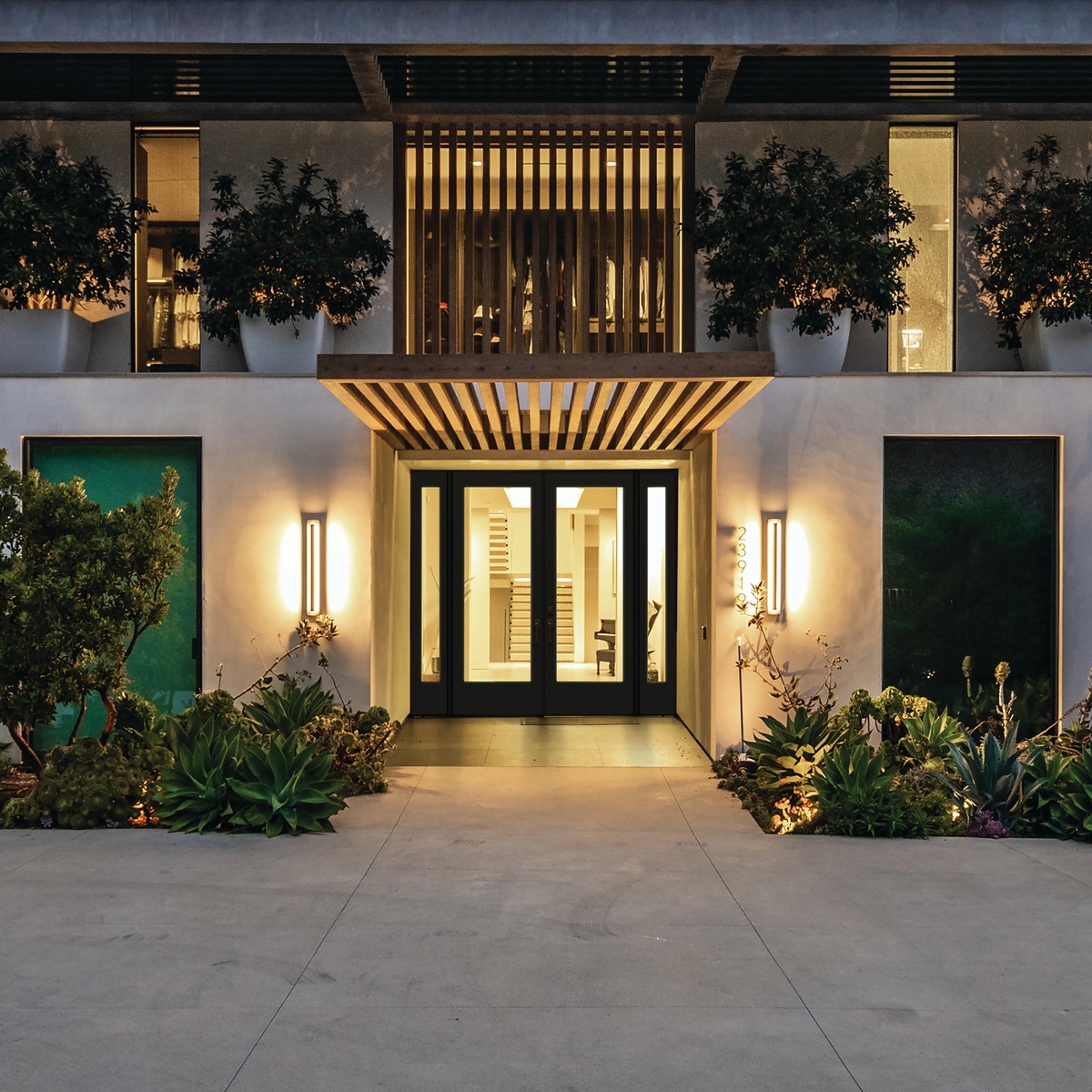
Homeowners selecting a new front door in 2026 are prioritizing more than curb appeal. Sustainability, personalization and smart technology are influencing purchasing decisions as buyers look for entry systems that balance performance, style and long-term value.
These trends are shaping innovation across the entry door market and influencing how manufacturers, builders and homeowners evaluate new options.
Why Is Sustainability and Energy Efficiency Influencing Front Door Decisions?
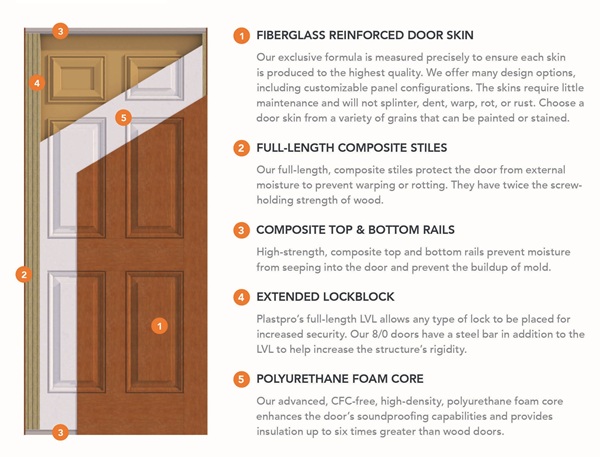
Longevity and durability remain major priorities for homeowners evaluating front door options. Fiberglass-reinforced entry door systems are inherently resistant to weathering, which can extend the product life cycle and reduce the need for replacement. That’s good news for homeowners, who only want to tackle a new entrance once in their lifetime. That means selecting an entry door system is less about short-term appearance and more about long-term performance and ownership costs.
This increasing emphasis on sustainability and durability is a pivotal driver in the fiberglass door market, and one of the reasons Market Research Future cites a 5% annual growth rate for fiberglass entry doors in its recent Fiberglass Door Market report. This emphasis on sustainability and durability contributes to fiberglass market growth as homeowners and builders evaluate long-term ownership costs and replacement cycles.
Energy efficiency remains another important consideration for homeowners seeking to reduce long-term ownership costs. Entry door manufacturers are governed by building codes and energy-efficient standards, such as Energy Star. And if you’re in California, products must meet the stringent standards in Title 24, which are aimed at reducing energy consumption.
The Global Fiberglass Doors Market Report, 2026-2035, published by Global Markets Insight, also emphasizes this push toward energy-efficient mandates that must meet specific standards.
First are U-factor requirements, which measure the rate at which heat passes through the door, with lower values indicating better insulation and higher energy efficiency. Second is the solar heat gain coefficient (SHGC), a number between 0 and 1 that represents the fraction of solar radiation admitted through the door, either directly or after being absorbed and re‑emitted as heat.
Both standards position fiberglass as a premium alternative to traditional wood and conventional steel products. But building code or state mandates aside, homeowners seek products manufactured from recycled materials, featuring reduced carbon footprints through product lifecycles and offering extended life, thus reducing waste.
How Are Homeowners Personalizing Their Front Doors?
A new entry door allows homeowners to showcase their personal style, and whether working with a replacement contractor or a builder for their new home, customization options are plentiful. This trend is supported by market data indicating that nearly 30% of consumers prioritize personalized features when selecting entry doors, according to that Market Research Future report. This presents a unique opportunity for manufacturers that offer a wide range of colors and finishes to meet this demand.
“Customization expectations intensify across market segments, with consumers demanding extensive color options, authentic woodgrain replication, decorative glass configurations and hardware integration reflecting individual aesthetic preferences and architectural requirements,” according to Global Market Insights.
Manufacturers responding to this demand have expanded their offerings well beyond standard door designs, such as through panel styles, decorative glass options, woodgrain textures, and factory finishes.
Which front door colors are the most popular?
New research from Zillow shows that a front door’s color can influence what buyers think a home is worth. The right choice could add thousands to a home’s offer price, while the wrong one could cut offers by nearly $7,000.
Painted finishes continue to lead market share, giving homeowners an opportunity to reflect personal style while enhancing curb appeal. Manufacturers have responded by expanding available color palettes and finish options.
Dark neutrals continue to perform well, with black and charcoal remaining perennial favorites for their timeless appeal and broad buyer appeal. At the same time, homeowners seeking more personalization are gravitating toward deep greens, navy tones, and jewel-inspired colors. Designers interviewed by Martha Stewart also identified these richer, more expressive color palettes as leading front door trends.
As personalization continues influencing purchasing decisions, finish color has become more than a design choice—it has become part of how homeowners express style while maximizing long-term value.
Are wood-like stained finishes here to stay?
Stained finishes that mimic the look of wood are the fastest-growing, according to Market Research Future. While currently smaller in terms of market share, these finishes are experiencing a surge in popularity, attracting consumers looking for a more natural wood-like appearance that complements modern and traditional home designs. The growth trends indicate a robust demand for stained finishes driven by increasing consumer preferences for aesthetics and customization. As homeowners explore ways to personalize their spaces, the stained segment's appeal grows. Improvements in staining technologies and treatments that enhance durability are further contributing to the segment's rapid expansion, making it a pivotal player in the overall fiberglass door market.
Global Markets Insights affirms this fact, its research citing advanced molding and embossing technologies as breakthrough innovations. This enables fiberglass doors to achieve unprecedented realism in woodgrain texture replication, utilizing sophisticated tooling methods used to transfer intricate natural wood patterns onto fiberglass surfaces.
Innovations in fiberglass manufacturing have allowed companies to create highly realistic woodgrain textures that capture the appearance of natural wood while avoiding many of the maintenance challenges associated with traditional wood doors.
What Smart Features Are Changing Entry Doors?
The integration of smart technology into home improvement products is driving sales in the fiberglass door market. Smart features encompass everything from smart locks, remote access, integrated cameras, sensors, mobile notifications and more. These features appeal to homeowners looking for greater convenience, visibility and control over their homes.
As smart home systems gain traction, consumers are increasingly interested in doors that offer enhanced security and convenience features. Fiberglass doors equipped with smart locks, sensors and connectivity options are becoming more prevalent, appealing to tech-savvy homeowners. Manufacturers are responding with products that help homeowners, builders and installers select compatible door configurations and hardware. For example, Plastpro doors are equipped with a full-length lock block that extends from the top of the door to the bottom so any type of smart lock can be placed at any desired height.
Market analysis suggests that the demand for smart doors is expected to grow by over 10% in the coming years, driven by the desire for improved home automation. This technological advancement not only enhances the functionality of fiberglass doors but also positions the fiberglass door market at the forefront of innovation, attracting a broader customer base seeking modern solutions, according to Market Research Future.
Technology plays a large role in the sales process, well before the entry door is installed. Digital design tools, including Building Information Modeling integration, online configuration platforms and augmented reality applications, allow everyone from homeowners, architects and builders to visualize and customize selections, many now incorporating AI-driven capabilities. Global Markets Insights cites AI and Generative AI as transforming fiberglass doors in all areas, including manufacturing, distribution and customer engagement.
Are Fiberglass Doors Worth the Investment?
Fiberglass doors occupy premium pricing when compared to conventional steel alternatives—about 30% to 50% higher—according to Global Markets Insights. But fiberglass is priced below authentic wood doors, offering the look of wood and increased durability. Higher upfront costs, however, may be offset through lower maintenance requirements and longer replacement cycles.
Research shows that fiberglass ranks high when comparing cost to value. In fact, Zonda’s 38th annual Cost vs. Value (CVV) report, ranks grand fiberglass entrances No. 10 on its most recent list. The ranking reveals the most common home renovation projects across the nation by return on investment—84.7% in this case—proving curb appeal still matters.
Premium fiberglass doors often justify their higher initial cost through advanced construction technologies, improved durability, lower maintenance requirements, and enhanced energy performance.
Key Takeaways
Front door trends for 2026 suggest homeowners are looking beyond appearance alone. Sustainability, personalization, and smart technology continue influencing how buyers evaluate entry systems, with performance and long-term value becoming increasingly important.
Main drivers
- Sustainability remains a major factor as homeowners prioritize durability and energy performance.
- Customization continues growing through expanded color, finish, and design options.
- Smart technology makes entry doors more connected and functional.
- Fiberglass remains positioned as a versatile option balancing appearance, performance, and value.