The Science Behind a Healthier Home Envelope
How ventilation and daylighting are redefining wellness in residential design
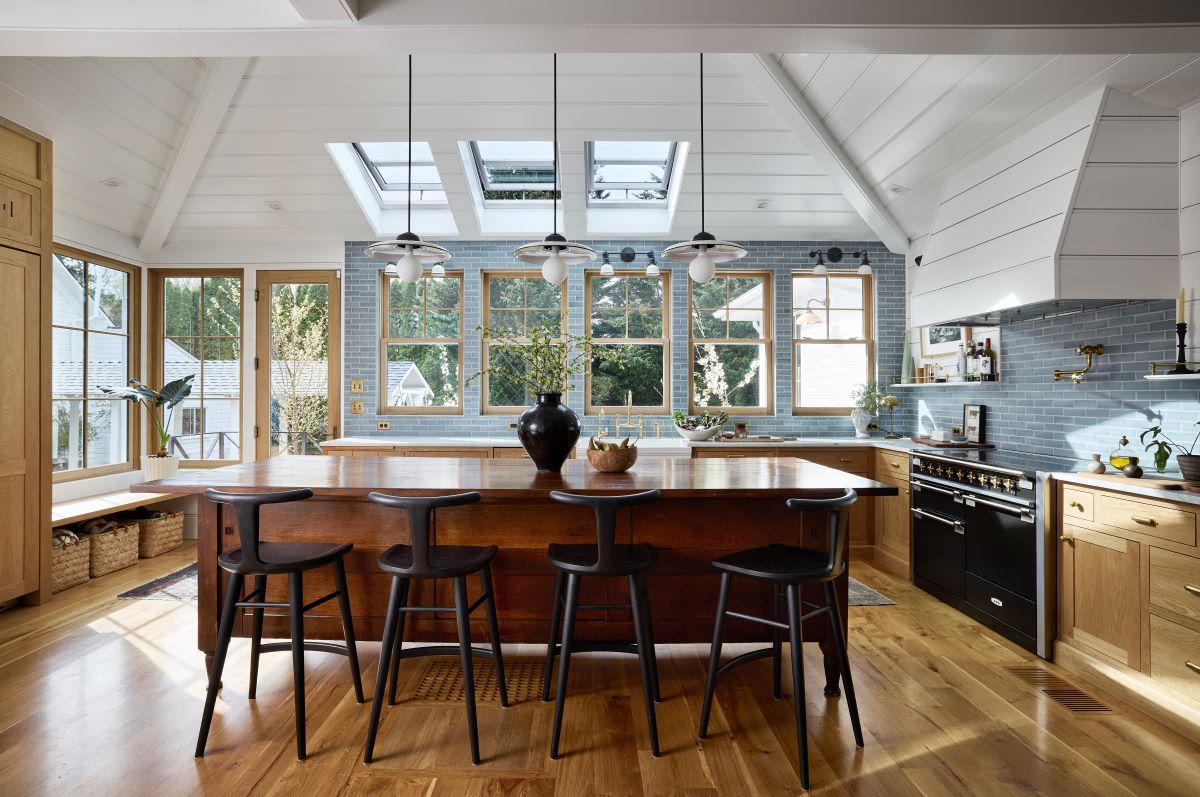
Above: With solutions like the VELUX Solar Powered Fresh Air Skylight System, venting is as simple as pushing a button or setting a schedule through smart home automation. The system can also be paired with smart sensors to automatically monitor and open or close skylights to maintain a healthier indoor climate. Photos Courtesy of VELUX
In the race toward high-performance homes, we’ve long prioritized energy efficiency, thermal performance, and structural integrity. An additional priority is rapidly gaining ground: human health.
From builder show floors to architectural firms, performance and wellness are now seen as complementary goals, improving the way homes are designed and built. At the heart of this lies the building envelope, transformed from a static barrier into a dynamic tool for improving indoor air quality and supporting human wellbeing.
Why our homes need to breathe
The U.S. Environmental Protection Agency estimates that Americans spend approximately 90% of their time indoors, breathing air that can be two to five times more polluted than outside, and, in extreme cases, even up to 100 times worse.
This pollution isn’t coming from factories or highways. It’s generated indoors through everyday activities: cooking fumes, dust, breathing, bathing, chemical residues from cleaning products, and off-gassing from building materials and furniture. While tighter envelopes are critical for energy efficiency, they can trap these contaminants unless designed with adequate ventilation.
All of this can take a serious toll over time. According to the National Institute of Environmental Health, poor indoor air quality is directly linked to increased risks of asthma, allergies, respiratory infections, cardiovascular issues, and cognitive decline. That’s why the American Lung Association recommends venting out your home for at least 15 minutes each day; additional studies suggest venting two to four times daily is best for optimal indoor air quality.
Ventilation as a wellness strategy
The most effective way to achieve natural ventilation is by leveraging the stack effect, which occurs when warm air rises and escapes through high openings, drawing in cooler air below. The greater the temperature difference and the higher the opening, the stronger the effect.
That’s where skylights come in. Positioned high in the envelope, they maximize the stack effect by acting as natural exhaust points for warm, stale air to escape quickly and efficiently. When this process is integrated directly into the envelope through both skylights and windows, it creates a passive but powerful air-exchange system.
In this context, high-performance windows and skylights are more than architectural features. They are part of the home’s wellness infrastructure, ensuring a healthier indoor environment.
The wellness benefits of natural light
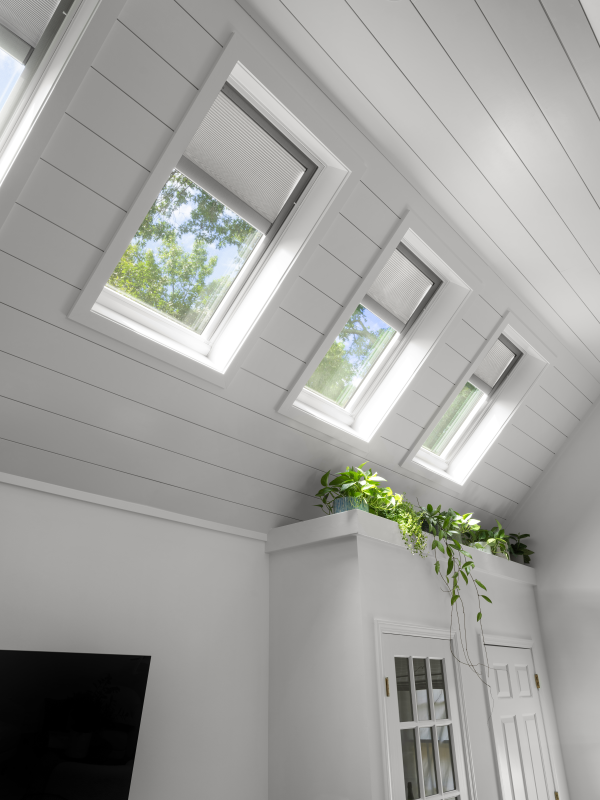
Beyond ventilation, skylights bring another essential wellness benefit into the home: natural light.
Under comparable conditions, skylights deliver nearly twice the daylight per square foot as vertical windows of the same size. They also provide overhead access to the sky and bring daylight into interior rooms that might otherwise depend entirely on artificial lighting. The result is a softer, more balanced distribution of light that can make spaces feel larger, brighter, and more inviting.
The benefits extend well beyond aesthetics. Natural daylight supports vitamin D production, a critical component of immune health, and plays a direct role in mental wellbeing. Studies show daylight boosts mood by stimulating serotonin and helps regulate circadian rhythms, which govern sleep cycles, alertness, and overall health. Based on several studies published in the National Library of Medicine, greater exposure to daylight has been shown to improve sleep quality, productivity, and overall wellbeing.
Daylighting also reduces reliance on electric lighting, lessening eye strain and cutting energy use at the same time.
This connection between light and human health lies at the heart of biophilic design, a design approach emphasizing the importance of incorporating natural elements into our living spaces. Whether it’s daylight, views of the outdoors, or a fresh breeze, biophilic elements in the home foster comfort and calm. Skylights are especially powerful in this regard because they channel daylight into the core of a space, making rooms feel more open, alive, and restorative.
The next chapter for the building envelope
For builders and remodelers, skylights are also a straightforward addition to the building envelope. VELUX skylights, for example, install without wiring or electricians, making it easy to integrate into both new construction and retrofit projects without disrupting workflow. This simplicity enables construction professionals to deliver meaningful wellness upgrades—including better air quality, more daylight, and greater comfort—without adding complexity to the build.
As science continues to show, the building envelope is the foundation of a healthier home. By combining natural ventilation with abundant daylight, today’s windows and skylights turn the building envelope into an active wellness system that supports physical and emotional wellbeing for years to come.
Research Spotlight: The Measurable Impact of Skylights
A study by Group14 Engineering, a Denver-based consulting firm specializing in building energy and resource efficiency, examined how quickly homes could recover indoor air quality after a contamination event (such as cooking or cleaning).
Group14 conducted single-tracer gas decay tests using the EnergyPlus V8.0 measurement tool. A harmless tracer gas was released into a well-mixed home at a controlled rate for one hour and then monitored concentrations over time. The speed at which the gas levels declined indicated how quickly fresh air replaced stale indoor air, a metric known as the “age of air.” A younger age of air translates directly into healthier living conditions, since it reflects faster dilution of indoor pollutants and a reduced burden on occupants’ respiratory systems.
The study modeled the impact in a typical two-story, 2,000-square-foot home in Boston. The results provide compelling evidence for including venting skylights directly in the building envelope.
In a code-built home:
Venting skylights reduced contaminant concentration to normal levels within 3 hours
Compared to 1.75 days without ventilation
In a high-performance home:
It took 5 hours with skylights
Versus 2.25 days without ventilation
That’s 15 times faster contaminant removal with venting skylights in the baseline home and 11 times faster in the tighter-built model. The use of skylights creates a rapid air exchange, drastically shortening the “age of air” in a home, which directly correlates with reduced occupant exposure to harmful particles and VOCs.
The result? Fresher indoor air, reduced reliance on mechanical HVAC systems, and a home environment that quite literally breathes easier.